When you think ‘Wisconsin,’ most people think of beer, brats, and Badgers. But, you should add three other B’s to that list: blenders, burgers, and bone marrow transplants!
In honor of National Inventors Day, which is Sunday, February 11, we found five of the most interesting, impactful inventions developed in Wisconsin:
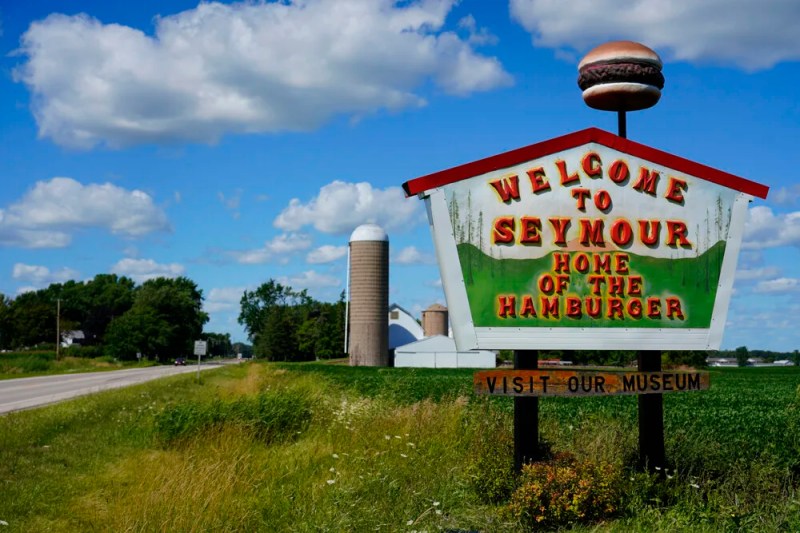
The Hamburger (1885)
Charlie Nagreen, also known as “Hamburger Charlie,” is credited with selling the first meat patties at the annual Seymour Fair. Legend has it–he decided to put his patties between two buns to make them more portable.
The Blender (1922)
Racine native Stephen Poplawski invented the first blender, which became the Osterizer. His product was sold in drugstores and used for malted milkshakes for many years.
Social Security (1935)
President Roosevelt asked UW-Madison economist and professor Edwin Witte to help solve the country’s poverty problem, specifically among the elderly. It’s a fascinating story, and you can read more here.
Stereo Headphones (1958)
Originally created as a gimmick for his portable phonograph demonstration, Milwaukee native John Koss’ headphones were a turning point for the audio industry. Up until that point, headphones were never used for music listening, only for communication!
TurboTap (2004)
Green Bay native Matt Younkle came up with the idea in 1995 while waiting in line for a beer at the UW-Madison Memorial Union Terrace. Fast forward nine years, and he created a device that pours beers faster, decreases the amount of foam on top, and reduces spillage.