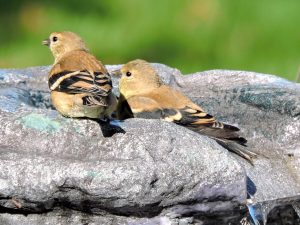
Migration season in Wisconsin is in full swing.
Million of birds have been migrating across Wisconsin every night since late August, according to the BirdCast migration dashboard. So far this season, the largest migration surge was on Sept. 17, when more than 52 million birds migrated over Wisconsin.
Though migration has ebbed slightly in the past week, nearly two million birds migrated over Wisconsin on Sept. 29, including almost 14,000 over Milwaukee County, per BirdCast estimates.
Here’s what to know about bird migration in Wisconsin, including how to help birds as they make the journey south.
Why do birds migrate?
Every fall, millions of birds in North America migrate from their northern breeding sites to warmer southern wintering grounds, before migrating back north in the spring.
In general, the birds are moving from areas of low or decreasing resources to areas of high or increasing resources. They rely on the seasonal changes in daylight, drops in temperature and prevailing winds to guide their journey.
When is the migration season in Wisconsin?
The migratory and hunting season for birds can start as early as August and run as late as November.
BirdCast’s historical data indicates migration in Wisconsin will peak in late October, with migration numbers leveling off by early November.
What time do birds migrate?
In Wisconsin, birds usually begin to migration about 30 to 45 minutes after sunset, with the greatest number in flight about two to three hours after that, according to historical BirdCast data.
During times of high migration, BirdCast urges the public to turn off non-essential lights around their home from 11 p.m. to 6 a.m. Bright lights can attract and disorient birds migrating at night, sometimes leading them to fatally collide with buildings and other structures.
How to help during bird migration
Here are some ways you can help migrating birds, according to the Wisconsin Department of Natural Resources:
Migrating birds face hazards including limited food, habitat loss, and artificial lights. You can support them by:
- Reduce light pollution: Turn off exterior outdoor lights at night to avoid disorienting birds.
- Plant native plants: Plant native shrubs and trees, such as serviceberry, dogwood and cherry, to provide food and cover for birds.
- Provide food and water: Help fuel the birds for their long journeys by putting out native seeds, fruit, and clean water for birds. Make sure to clean bird feeders every two weeks, and put out high-fat seed, such as black oil sunflower, to attract the most species.
- Prevent window collisions: Reduce bird collisions by putting external screens, markers or decals on your windows to make them visible.
How to track bird sightings in Wisconsin
Amateur birders can report and track their daily bird sightings on the following sites:
- Wisconsin eBird: Allows you to report and track your daily sightings from your birding excursions. You can also see real-time bird sightings from other birders across the state.
- Wisconsin Society of Ornithology: Provides information to document rare birds and how to use eBird for seasonal reports.
- The Great Backyard Bird Count: A global project to record bird abundance and distribution. You can contribute by reporting your observations of Wisconsin birds.
- Report a rare bird: This information is used for species on Wisconsin’s Natural Heritage Working List.
- Report a sick or dead bird by using the directory of wildlife rehabilitators or contacting your local DNR office.
Where to bird watch in Wisconsin
Wisconsin has more than 300 birding hotspots, including wildlife areas like the Horicon Marsh and the Schlitz Audubon Nature Center. To find a birding hotspot near you, check out Travel Wisconsin’s guide here.
This article originally appeared on Milwaukee Journal Sentinel: Millions of birds have already migrated south for winter. What to know about fall migration in Wisconsin.
Reporting by Maia Pandey, Milwaukee Journal Sentinel / Milwaukee Journal Sentinel
USA TODAY Network via Reuters Connect