Radon is a naturally occurring, radioactive gas. It can get into your house through cracks in the foundation, walls, and openings around pipes and sump pumps.
Each January, the Environmental Protection Agency recognizes National Radon Action Month and encourages people to test their homes. Radon is a colorless, odorless gas that can build up inside a home. It travels only a meter or two through soil and comes naturally from decaying uranium.
About one out of ten homes in Wisconsin has high radon levels, according to the Wisconsin Department of Health Services.
Why should we worry about it?
Over time, exposure to radon can cause lung cancer. In the United States, radon is the leading cause of lung cancer among non-smokers and the second leading cause for smokers. Radon exposure combined with smoking creates a serious health risk.
How can we protect ourselves?
While you can’t see or smell it, you can protect yourself from it, and the only way to find out if you have it, is to test for it.
Paige Lindner with the Clark County Health Department said there’s a preferred time to test. “It is suggested to test for radon during the winter months when homes are closed up,” she said.
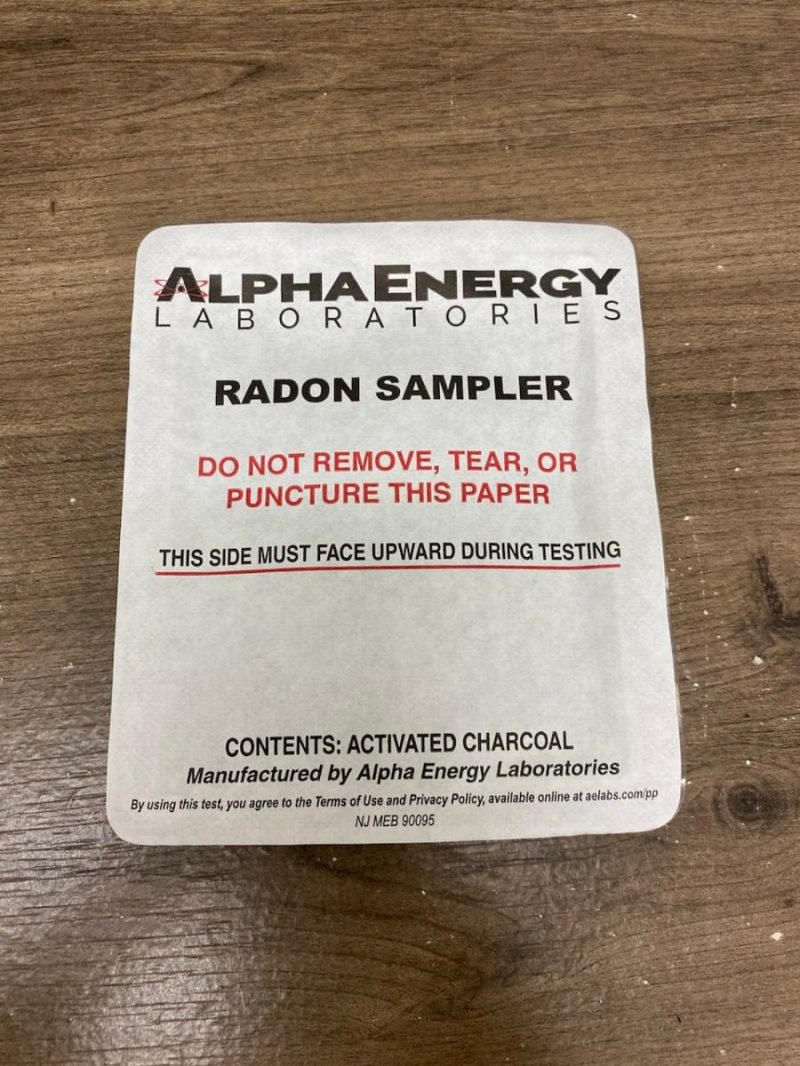
Test kits are available at many county health departments. Lindner said in Clark County, community members can pick one up for $10.
There are also 17 Radon Information Centers covering all of Wisconsin. People are there to answer questions and they also sell low-cost test kits.