Wisconsinites are still reveling in Justice-elect Susan Crawford’s victory in what became the most expensive judicial race in US history.
“Justice-elect Susan Crawford’s victory demonstrates that a woman’s ability to make her own reproductive health care decisions matters to Wisconsin voters,” said Tanya Atkinson, Planned Parenthood Advocates of Wisconsin President and CEO, in the days after Wisconsin’s Supreme Court election. “Time and again, voters have come together to protect reproductive freedom, and this is a moment to celebrate our collective power.”
But even as “Wisconsin understood the assignment,” as Atkinson put it, she knows it’s not a time to get complacent.
“In Wisconsin we have a legislature that time and again continues the conservative leadership and continues to introduce egregiously restrictive, reproductive health care bills, not just abortion and family planning, but resources for STI testing and treatment,” Atkinson said.
Abortion rights and the fate of the state’s 1849 abortion ban were at the forefront of the state Supreme Court election because of a pair of cases that are before the court right now.
In one case, there’s a potential revival of an abortion ban from 1849, which criminalizes abortion. Abortion providers in the state resumed the procedure in 2023 after a judge ruled that the 175-year-old law didn’t apply to consensual medical abortions, but the state Supreme Court is reviewing whether to entirely invalidate it. A ruling on that is expected before Crawford is sworn in in August.
In February, Planned Parenthood of Wisconsin filed a different lawsuit. It asked the court to rule on whether a constitutional right to abortion exists in the state.
“Planned Parenthood of Wisconsin does believe that the Constitution does protect Wisconsinites’ ability to act with their own bodily autonomy,” Atkinson explained. That case has not been argued yet—it’s been accepted and is waiting for the arguments to be scheduled.
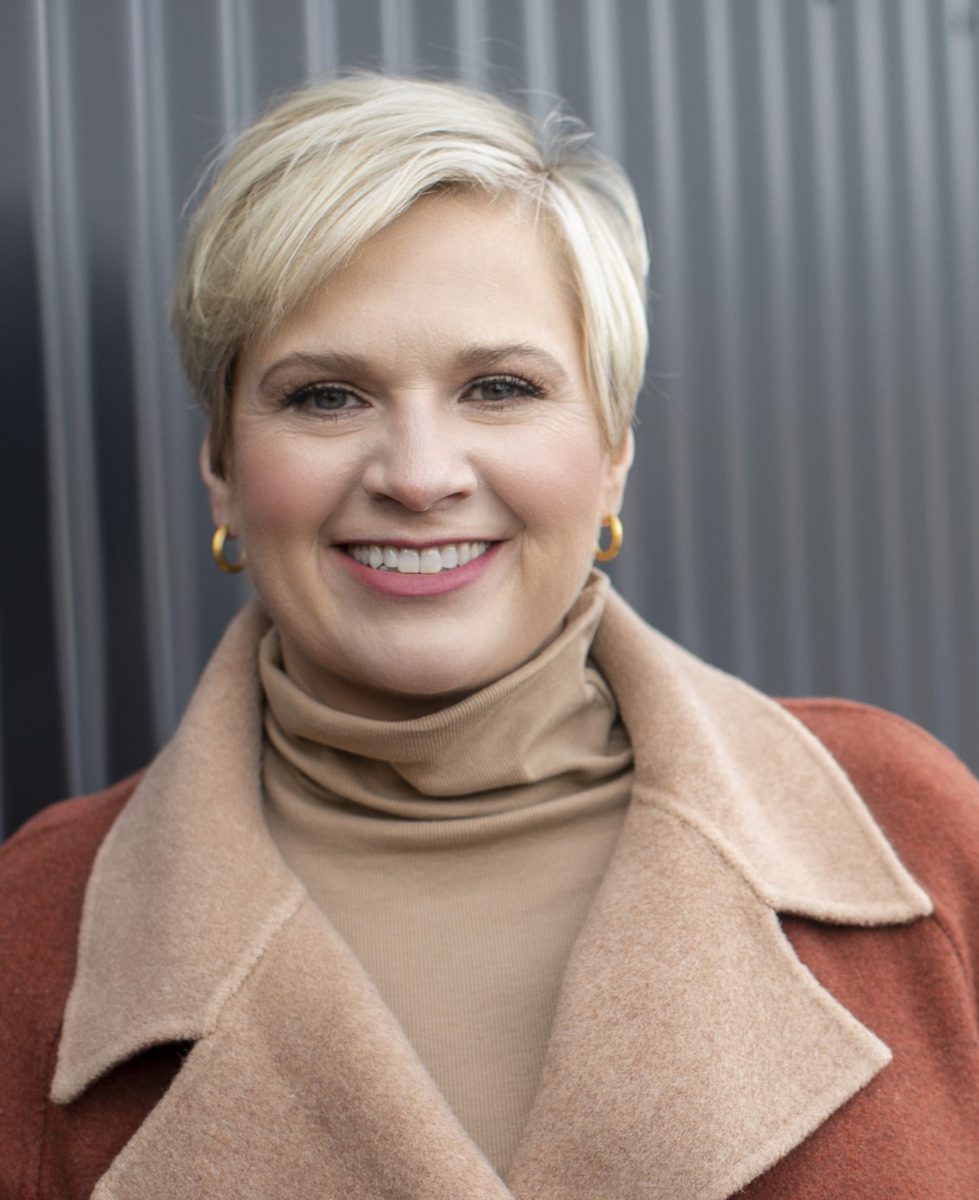
Atkinson said it’s important to continue to elect people who are champions of positive public health policies and who realize reproductive health is health care. She said the ultimate fight is making the exam room less crowded.
“We need to take the politics out of sexual and reproductive health altogether and make it an expected public health investment,” Atkinson said.